What Koreans Eat for Breakfast (and What to Order)
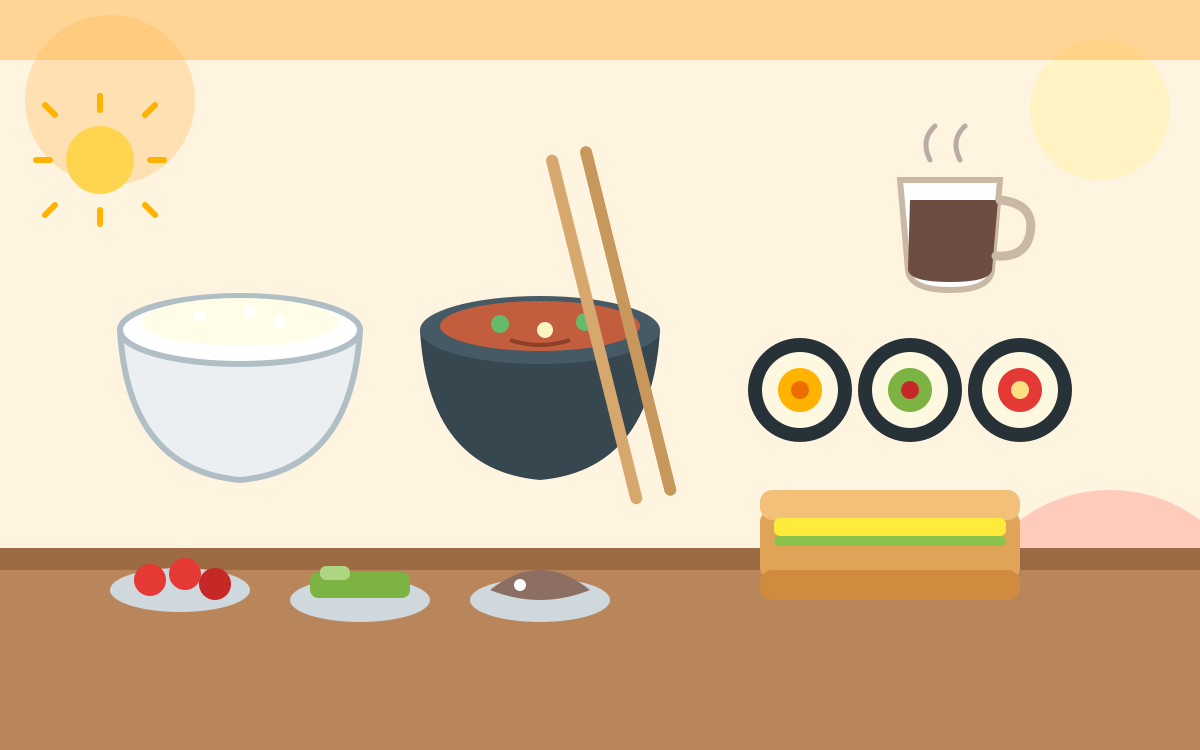
A traditional Korean breakfast is rice, soup and shared side dishes, but many Koreans skip it or grab something quick. Visitors can easily eat gimbap (about 3,800 won in Seoul), toast (about 2,000 to 5,000 won), porridge, or gukbap (about 8,000 to 12,000 won). Prices are approximate.
- Classic meal
- Rice, soup and several side dishes
- Quick options
- Gimbap, toast, bakery items, porridge
- Typical cost
- About 2,000 to 12,000 won
- Skip rate
- 34% of Koreans (2022 KDCA data)
What should I know before I arrive?
Information checked October 25, 2026
Breakfast is not a fixed institution in Korea the way it is in some countries, so you choose from several quick options rather than one standard menu. Many people eat at home, and many skip the meal entirely.
- Worth knowing: According to the Korea Herald (January 17, 2024), citing Korea Disease Control and Prevention Agency figures for 2022, 34% of the population skips breakfast, and nearly 60% of people in their twenties do.
- A common mistake: Expecting a hotel-style buffet everywhere. Outside hotels, mornings are served by convenience stores, toast shops, bakeries and soup or porridge restaurants.
- Local tip: Opening hours vary by shop, so confirm on the map listing before you walk across town.
What is a traditional Korean breakfast?
It is a rice-based meal: a bowl of rice, a bowl of soup and several side dishes (banchan) shared from the middle of the table. The Korean Food Promotion Institute describes the traditional table as built on gaengban, the pairing of soup and rice, and Expat Guide Korea says a home-style breakfast usually has at least three or four side dishes plus soup.
- Rice and soup: Rice and soup are served per person, while Taste Korean Food says banchan are typically shared and refilled free at most Korean restaurants.
- Ssambap and roasted seaweed: Rice wrapped in lettuce or eaten with crisp seaweed (gim) are simple versions, according to Expat Guide Korea.
- Gukbap: Rice served in soup. The Korean Food Promotion Institute says gukbap became common in the late Joseon era alongside markets, and regional styles now include gomtang, seolleongtang and dwaejigukbap.
Practical example: a visitor staying near a traditional market can order gukbap at a soup restaurant, which arrives as a single bowl with rice already in the soup and side dishes to share, so no menu knowledge is needed beyond naming the soup. For restaurant etiquette, see how to order at a Korean restaurant.
What do people eat on a busy morning?
The fastest options are gimbap, toast or egg sandwiches, bakery bread, porridge and boiled eggs. Expat Guide Korea lists these as common choices, and notes that people often prepare gimbap or boiled eggs the night before.
| Food | What it is | Where to find it |
|---|---|---|
| Gimbap | Rice and fillings rolled in seaweed; regular, tuna, cheese and bulgogi varieties | Gimbap shops, convenience stores |
| Toast and egg sandwiches | Grilled sandwiches with egg and other fillings | Isaac Toast, Egg Drop, convenience stores |
| Bread and pastries | Bakery sandwiches, pastries and coffee | Paris Baguette, Tous les Jours |
| Juk (porridge) | Rice porridge in pumpkin, abalone, tuna, beef, red bean and chicken flavors | Porridge restaurants |
| Gukbap | Rice served in soup such as beef bone or sundae soup | Traditional soup restaurants |
| Boiled eggs, mandu | Simple home breakfast items; fresh dumplings are sold at dumpling shops | Convenience stores, snack shops |
Expat Guide Korea recommends porridge for people with stomach discomfort because it is easy to digest. For snack-style food later in the day, see our Korean street food guide.
Where can I find breakfast in Seoul?
Toast chains, porridge restaurants and gimbap shops cover most mornings, and iVisitKorea (updated August 24, 2026) lists specific Seoul spots. Branches and hours change, so confirm before you go.
- Isaac Toast: a toast chain with many fillings; the Myeongdong branch has no seating, per iVisitKorea.
- Egg Drop: egg sandwiches made fresh, with an expected wait of about 10 to 15 minutes, per the same page.
- Seowon (Myeongdong): Korean porridge with abalone, chicken, ginseng chicken, mushroom and other flavors.
- Gimbap Cheonguk (Jung District): classic gimbap, with tteok mandu guk (rice cake dumpling soup) on the menu.
- Brunch-style cafes: The Baker's Table (Yongsan) and Travel Maker (Hongdae) serve Western-style breakfasts at about 10,000 to 20,000 won per person.
If you are staying near a traditional market, the soup restaurants there are another easy option; our Gwangjang Market food guide covers a major one.
How much does breakfast cost?
A toast sandwich is about 2,000 to 5,000 won, an average Seoul gimbap roll is about 3,800 won, and a bowl of gukbap is about 8,000 to 12,000 won. These are approximate; confirm at the shop.
| Option | Approximate price | Source |
|---|---|---|
| Isaac Toast sandwich | About 2,000 to 5,000 won | iVisitKorea |
| Egg Drop sandwich | About 4,900 to 6,500 won | iVisitKorea |
| Gimbap roll, Seoul average | 3,838 won (June 2026) | MoneyToday, citing Korea Consumer Agency |
| Convenience store gimbap | About 3,000 to 6,000 won | Naman e-Card price guide |
| Gukbap, Seoul neighborhood diner | About 8,000 to 12,000 won | Naman e-Card price guide |
| Western-style brunch | About 10,000 to 20,000 won per person | iVisitKorea |
The Korea Consumer Agency data reported by MoneyToday shows Seoul gimbap rising 5.9% from a year earlier, so expect prices at the upper end of older guides. See cash or card in Korea for payment tips.
How do I order breakfast step by step?
Choose the style of meal, check the opening time, order at the counter or table, and pay when you finish or order.
- Pick a style. Quick and cheap means toast or gimbap; a warm sit-down meal means gukbap or porridge.
- Check hours. Open the shop's map listing and confirm it is open at your time.
- Know the main ingredient. Soups often use beef or pork broth, so ask if you avoid meat.
- Order. Point at the menu or use the kiosk; many casual shops take orders at the counter.
- Share the sides. At a traditional restaurant, banchan are placed in the middle for everyone to share.
FAQ
What do Koreans usually eat for breakfast?
A traditional breakfast is rice, soup and several shared side dishes, but many people eat something quicker such as gimbap, toast, bread, porridge or boiled eggs. Government-reported figures show many Koreans skip breakfast altogether.
Is breakfast food easy to find in Seoul?
Yes, if you look for the right places. Convenience stores, toast and sandwich shops, bakeries and gukbap or porridge restaurants all serve morning meals, though opening hours differ by shop, so check each place before you go.
How much does breakfast cost in Korea?
Roughly 2,000 to 5,000 won for a toast sandwich, about 3,800 won for an average Seoul gimbap roll, and about 8,000 to 12,000 won for a bowl of gukbap. These are approximate figures; confirm at the shop.
What is a good breakfast if I have a sensitive stomach?
Juk (rice porridge) is described as easy to digest and is sold at restaurants that specialize in it, in flavors such as pumpkin, abalone, chicken and red bean.
Can vegetarians eat a Korean breakfast?
Toast, plain bread and vegetable gimbap are the easiest starting points, but soups and many fillings contain meat or fish stock. See our vegetarian guide before you order.
Official sources and useful links
Links open in a new tab. Prices above are approximate; verify on these pages.
- Korea Herald 2022 breakfast-skipping figures from the Korea Disease Control and Prevention Agency (January 17, 2024)
- Korean Food Promotion Institute magazine article on gukbap history and the soup-and-rice table
- MoneyToday June 2026 Seoul gimbap price from the Korea Consumer Agency (August 17, 2026)
- iVisitKorea Seoul breakfast spots and prices, updated August 24, 2026
- Expat Guide Korea overview of home and eating-out breakfast foods
- VisitKorea (Korea Tourism Organization) official tourism information in English
- Visit Seoul official Seoul city tourism site
Disclosure: This site shows ads served by Google AdSense, and some links may be affiliate links that earn a small commission at no extra cost to you. This never affects our recommendations. Prices and rules change, so please confirm details with the official sources before you travel.