Korean Street Food: What to Eat and Where
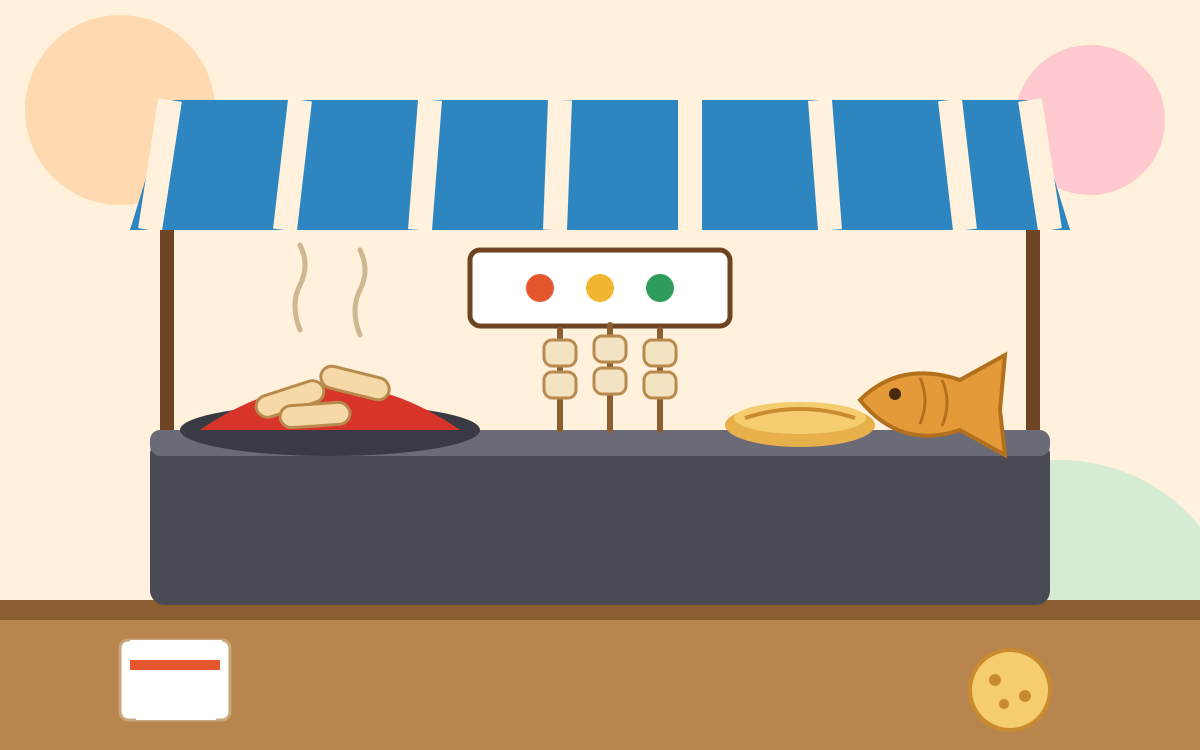
Most Korean street snacks cost about 1,000 to 6,000 won. Start with tteokbokki, eomuk skewers, hotteok and gimbap, then add bungeoppang in winter. Try Gwangjang Market for pancakes, Myeongdong for evening carts and Tongin Market for a coin-based lunch. Carry cash and ask the price first.
- Typical price
- About 1,000 to 6,000 won per snack
- Start with
- Tteokbokki, eomuk, hotteok, gimbap
- Best areas
- Gwangjang, Myeongdong, Tongin, Mangwon
- Official site
- Visit Seoul
What should I know before I arrive?
Prices and hours checked October 20, 2026
Korean street food is mostly "bunsik", simple everyday snacks sold at carts, market stalls and small counters. VisitKorea describes bunsik as quick, moderately priced food, and says people often order several dishes to compare flavours.
- Worth knowing: Hotteok and bungeoppang are mainly winter snacks, while patbingsu (shaved ice) is a summer item, according to VisitKorea.
- A common mistake: Assuming a snack is vegetarian. Eomuk is fish cake served in anchovy broth, and fried items can share oil with seafood; see our vegetarian and vegan food guide.
- Local tip: Carry small notes. The Seoul Tourism Guide (a private guide, not a government site) advises cash because many stalls do not take cards.
What are the best Korean street foods to try?
Start with tteokbokki, eomuk, hotteok and gimbap, then add a seasonal item such as bungeoppang. VisitKorea lists these as core bunsik and street snacks.
- Tteokbokki: Chewy rice cakes in a sweet-spicy gochujang sauce, the classic street snack. Creamy and ramen-added versions also exist.
- Eomuk (fish cake) skewers: Sold on sticks in a hot anchovy broth. The Seoul Tourism Guide says a cup of the broth usually comes free with an order.
- Hotteok: A pancake filled with sweet syrup or, at some stalls, savoury fillings.
- Bungeoppang and gyeran-ppang: Fish-shaped pastry with red bean filling and a small egg bread. VisitKorea advises eating bungeoppang right after buying it while the crust is crisp.
- Gimbap and mayak gimbap: Seaweed rice rolls; the mini "mayak" version at Gwangjang is served with a dipping sauce.
- Sundae: Korean sausage of pork intestines stuffed with vegetables, glass noodles and glutinous rice, per VisitKorea; it is often sold alongside tteokbokki.
- Twigim and dak-kkochi: Fried vegetable and seafood fritters, and grilled chicken skewers with a sweet-spicy or soy glaze.
Practical example: two friends can share one tteokbokki, two eomuk skewers and one hotteok for roughly 8,000 to 10,000 won in total, based on the price ranges in the table below.
How much does Korean street food cost?
Most snacks cost about 1,000 to 6,000 won, with tourist-area specialities such as seafood skewers costing more. Prices vary by stall and change often, so treat these as a guide and confirm at the stall.
| Snack | Approximate price | Source note |
|---|---|---|
| Eomuk skewer | About 1,000 to 1,500 won | Seoul Tourism Guide |
| Bungeoppang | About 1,000 won each, or 3 for 2,000 won | Korea Times (2024) |
| Hotteok | About 1,500 to 3,000 won | Seoul Tourism Guide; Korea Times lists 2,500 won for a japchae version |
| Tteokbokki | About 3,000 to 6,000 won | Visit Seoul lists 3,000 won at a Mangwon Market stall |
| Mung bean pancake (bindaetteok) | About 4,000 to 5,000 won | Visit Seoul lists 4,000 won at a Gwangjang stall |
| Gimbap | About 3,000 to 4,500 won | Seoul Tourism Guide |
| Dak-kkochi skewer | About 3,000 to 5,000 won | Seoul Tourism Guide |
| Lobster or seafood skewer (Myeongdong) | About 10,000 to 15,000 won | Seoul Tourism Guide |
The Visit Seoul figures come from the market guide on its official site; the Korea Times prices come from its winter street food article. Other ranges come from the private Seoul Tourism Guide, so confirm before you order. The same guide says Myeongdong prices run about 30 to 50 percent higher than at Gwangjang Market.
Where should I eat street food in Seoul?
Gwangjang Market is best for sit-down market snacks, Myeongdong for evening carts, and Tongin and Mangwon markets for quieter local options.
- Gwangjang Market (Jongno): Visit Seoul lists the food alley as open 09:00 to 23:00, reached from Jongno 5-ga Station (Line 1) Exit 8, and mentions mung bean pancakes, mayak gimbap, sundae and tteokbokki. Our Gwangjang Market food guide covers ordering in detail.
- Myeongdong: Visit Seoul places it at Myeongdong Station (Line 4), Exits 5 to 10, with opening hours varying by shop. The Seoul Tourism Guide says food carts fill the main streets from around 4 p.m.
- Tongin Market: Visit Seoul says you buy brass coins (yeopjeon) at 500 won each, with a minimum bundle of 10 coins (5,000 won), and use them at stalls. Its dosirak cafe is listed as open weekdays 11:00 to 15:00.
- Mangwon Market: Visit Seoul lists market hours of 09:00 to 22:00, closed Tuesdays and Sundays, with fried snacks and tteokbokki at modest prices. Hours vary by shop.
Hours differ by vendor and day, so check the linked pages or ask at the stall before making a special trip.
How do I order and pay at a stall?
Point, ask the price, pay in cash, and eat at or beside the stall before you move on.
- Pick a busy stall. The Seoul Tourism Guide suggests choosing stalls with visible cooking and steady customers.
- Ask the price. Say "Eolma-yeyo?" (How much?) or point at the item and hold up fingers for the quantity.
- Have cash ready. Small notes make it quicker. See our cash or card in Korea guide.
- Ask for the spice level. For tteokbokki, "Maepji anke" (not spicy) is a useful phrase from the same guide.
- Eat on the spot. Many stalls provide a cup, toothpicks and a small standing area; for a seated meal, see how to order at a Korean restaurant.
FAQ
Is Korean street food cheap?
Yes, most single snacks are about 1,000 to 6,000 won, according to the figures in this guide. Tourist-area items such as Myeongdong seafood skewers can cost 10,000 won or more, so check the price before you order.
Do street food stalls in Korea take cards?
Many stalls prefer cash, so carry small notes. Card acceptance varies by stall, so ask before you order.
Do you tip at Korean street food stalls?
No. Prices are fixed and tipping is not expected at stalls, according to the Seoul Tourism Guide.
What street food is available in winter?
Hotteok (filled pancakes), bungeoppang (fish-shaped pastry), gyeran-ppang (egg bread) and eomuk skewers are classic cold-weather snacks, and VisitKorea lists hotteok and bungeoppang as winter items.
Official sources and useful links
Links open in a new tab. Prices and hours above are approximate; verify on these pages.
- Visit Seoul: Korean traditional markets official guide to Gwangjang, Tongin and Mangwon markets, with listed prices and hours
- Visit Seoul: Gwangjang Market official listing with hours, address and station access
- Visit Seoul: Myeongdong official listing with subway exits and general hours
- VisitKorea: Bunsik Korea Tourism Organization overview of everyday snack foods
- Korea Times: Seoul's winter street food news feature with bungeoppang, hotteok and egg bread locations
- Seoul Tourism Guide private visitor guide used for price ranges and tips (not a government site)
Disclosure: This site shows ads served by Google AdSense, and some links may be affiliate links that earn a small commission at no extra cost to you. This never affects our recommendations. Prices and rules change, so please confirm details with the official sources before you travel.