Gwangjang Market: What to Eat and How to Order
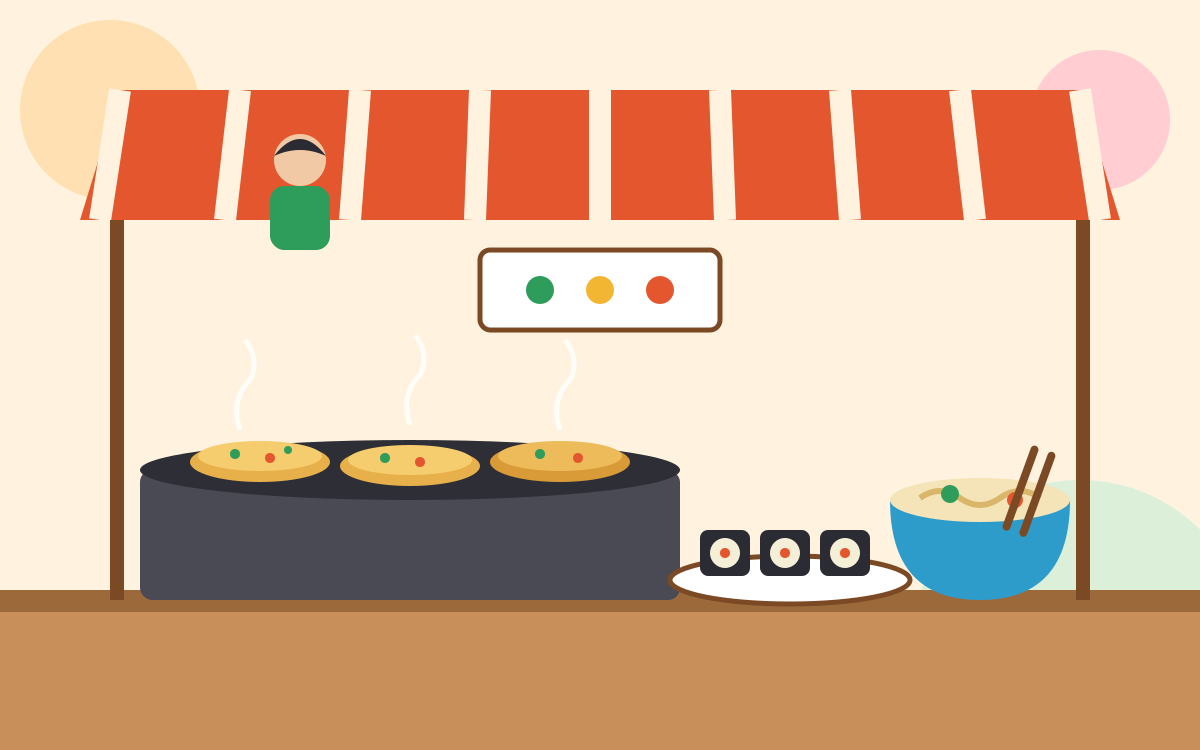
Eat bindaetteok first: the mung bean pancake costs about 5,000 to 6,000 won at major stalls. Then add mayak gimbap, kalguksu noodles or yukhoe. Bring cash, because many stalls prefer it, ask the price before you sit, and visit on a weekday outside lunch to avoid long queues.
- Signature dish
- Bindaetteok, about 5,000 to 6,000 won
- Food street hours
- Open into the evening, up to about 23:00
- Nearest station
- Jongno 5-ga (Line 1)
- Official page
- VisitKorea
What should I know before I arrive?
Prices and hours checked October 5, 2026
Gwangjang Market is a large, crowded traditional market in Jongno-gu, and its food alleys are the main reason visitors come. It dates to 1905, according to Wikipedia, and is reached from Jongno 5-ga Station (Line 1) or Euljiro 4-ga Station. The address is 88 Changgyeonggung-ro, Jongno-gu, per VisitKorea.
- Worth knowing: The general shops (textiles, clothing, hanbok fabric) mostly close on Sundays, but the food street stays open year-round, according to VisitKorea.
- A common mistake: Sitting down at a stall without checking prices. Ask first, especially before ordering mixed plates.
- Local tip: Bring cash in small notes. Creatrip notes that many stalls accept cards but some may not accept foreign cards.
What should I eat at Gwangjang Market?
Start with bindaetteok, then add mayak gimbap, kalguksu or yukhoe depending on how adventurous you are. These are the dishes the market is best known for.
- Bindaetteok (mung bean pancake): Ground mung beans mixed with vegetables, and optionally meat, fried on a large griddle until crisp. It is the market's signature dish, and often shared as a snack.
- Mayak gimbap (“addictive” mini rolls): Small seaweed rice rolls served with a soy-and-mustard style dipping sauce. Light, cheap and easy to share.
- Kalguksu (knife-cut noodle soup): Hand-cut wheat noodles in a warm broth, sometimes with dumplings. A good choice on a cold day.
- Yukhoe (beef tartare): Seasoned raw beef, often topped with raw egg yolk. It is a market speciality, but skip it if you avoid raw meat.
- Tteokbokki and mandu: Spicy rice cakes and dumplings, a milder option for children or first-timers.
Practical example: two friends can split one bindaetteok, one portion of mayak gimbap and one bowl of kalguksu for a filling lunch at a modest total, then add yukhoe only if they want it.
How much does food cost?
Expect about 5,000 to 6,000 won for bindaetteok, 5,000 to 7,000 won for noodles and 15,000 to 21,000 won for yukhoe. Prices are approximate and vary by stall, so confirm before you order.
| Dish | Approximate price | Notes |
|---|---|---|
| Bindaetteok | About 5,000 to 6,000 won | Meat versions often cost extra |
| Mayak gimbap | About 3,500 to 6,000 won | Portion sizes differ by stall |
| Kalguksu | About 6,000 to 7,000 won | Dumpling version costs a little more |
| Yukhoe | About 15,000 to 21,000 won | Raw beef; the highest-priced item |
| Tteokbokki or mandu | About 5,000 won | Usually a small plate |
Price ranges above come from the visitor guides at Creatrip and Creatrip street food guide, which describe typical stall prices; they are not official tariffs, so treat them as a guide only. Some stalls set a minimum order, for example two plates.
How do I order at a market stall?
Choose a stall with a visible menu or price, ask the price, confirm how you can pay, then order and eat at the counter.
- Pick a stall. Look for a posted price board and a stall with a steady flow of customers. Established stalls are less likely to surprise you.
- Ask the price. Point at the dish and say “Igeo eolma-yeyo?” (“How much is this?”), as suggested by the Creatrip street food guide.
- Check payment. Ask “Kadeu dwaeyo?” (“Can I pay by card?”) before you sit, or have small notes ready.
- Sit and order. Stalls use shared counters or stools. Tell the staff how many portions you want and share plates across the group.
- Check the total. Mixed or assorted plates can cost more than expected, so confirm what is on the plate and the final amount.
A reported change from June 1, 2026 introduces a shop real-name system with QR-code complaint access for international visitors, according to the Creatrip street food guide; this was not confirmed on an official page, so treat it as unverified.
When is the best time to go?
Go on a weekday morning or mid-afternoon to avoid queues; lunch, dinner, Friday nights and weekends are busiest. The Creatrip guide says Friday nights, weekends and holidays are always very crowded, and Creatrip street food guide reports waits of 30 to 60 minutes at popular stalls at peak times.
Opening hours are reported differently across sources. VisitKorea lists the market as roughly 09:00 to 18:00 with the food street open until about 23:00, while Creatrip gives 10:00 to 19:00 for general shops and 09:00 to 23:00 for snack vendors. Confirm on the official page, or call the Korea Travel Hotline at +82-2-1330, which the VisitKorea page lists.
For getting there, see our Seoul subway guide for tourists. For paying, see cash or card in Korea.
FAQ
What is the best thing to eat at Gwangjang Market?
Bindaetteok, the crisp mung bean pancake fried on large griddles, is the market's signature dish and usually costs about 5,000 to 6,000 won. Mayak gimbap and yukhoe (beef tartare) are the other classics.
Is Gwangjang Market cash only?
Not entirely, but many food stalls prefer cash and some may not accept foreign cards. Carry small notes and ask before you order.
What time does Gwangjang Market close?
Sources differ by a little: general shops run roughly 09:00 or 10:00 to 18:00 or 19:00 and mostly close on Sundays, while the food street stays open into the evening, up to about 23:00. Confirm on the official VisitKorea page.
When is Gwangjang Market least crowded?
Weekday mornings and mid-afternoons are calmer. Lunch, dinner, Friday nights, weekends and holidays are the busiest, with queues at popular stalls.
Official sources and useful links
Links open in a new tab. Prices and hours above are approximate; verify on these pages.
- VisitKorea Gwangjang Market page official overview: address, hours, food street and contact numbers
- Visit Seoul Seoul's official tourism site, for attractions and events
- Wikipedia background on the market's history, size and station access
- Creatrip visitor guide with stall names, prices and payment tips
Disclosure: This site shows ads served by Google AdSense, and some links may be affiliate links that earn a small commission at no extra cost to you. This never affects our recommendations. Prices and rules change, so please confirm details with the official sources before you travel.