Templestay in Korea: What a Night at a Temple Is Like
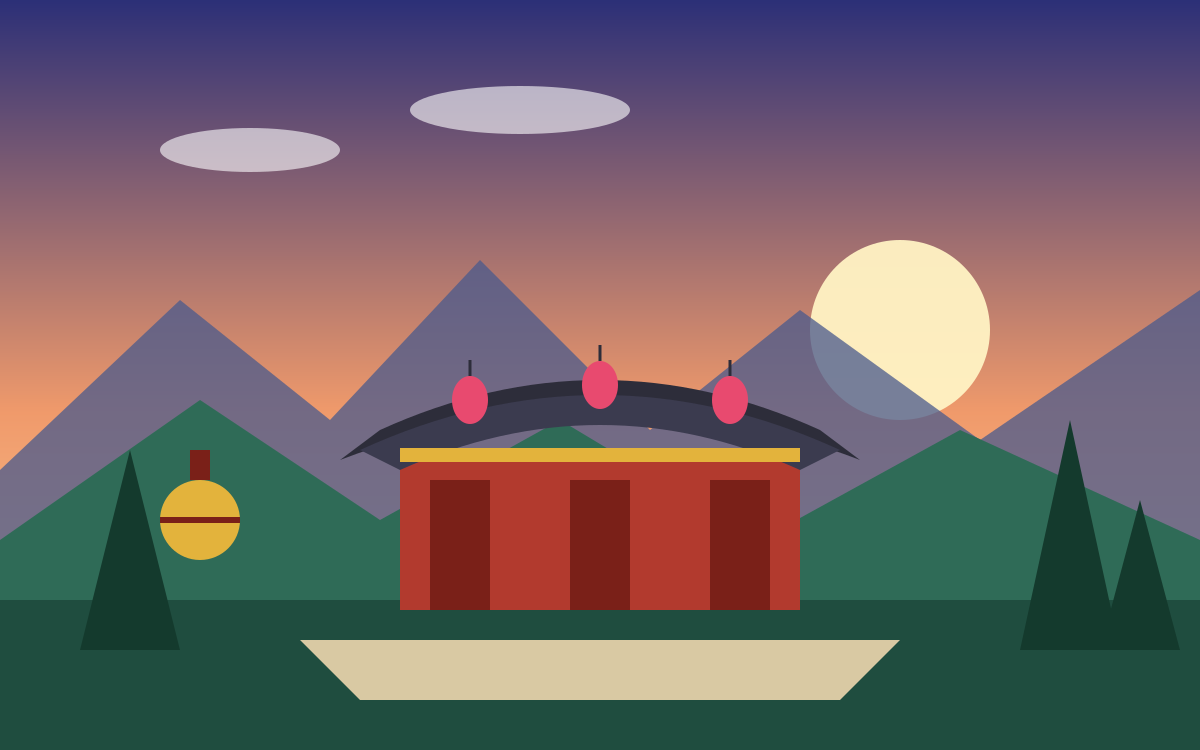
A templestay costs roughly 50,000 to 100,000 won for one night and starts with an early rise: monks begin the day around 3 to 4 a.m. Choose an experience program for bowing, meditation and tea, or a rest program for quiet. Book on the official English site, eng.templestay.com.
- Typical price
- About 50,000-100,000 won per adult, one night
- Program types
- Experience, rest and day programs
- Wake-up
- Around 3-4 a.m. at most temples
- Booking site
- eng.templestay.com (official, English)
What should I know before I arrive?
Details checked October 24, 2026
Templestay is a cultural program run by the Jogye Order of Korean Buddhism, not a hotel, so expect shared routines, vegetarian meals and an early start. The Jogye Order created the Cultural Corps of Korean Buddhism in 2004 to operate it, and the program grew from 31 temples in its first year to 110 by 2015, according to Wikipedia's Templestay entry. Details vary by temple, so use the official Templestay site for final times and prices.
- Worth knowing: Most standard programs are one night and two days, as described in a 2023 press release on Korean Templestay.
- A common mistake: Booking a mountain temple without checking transport. Rural temples may have few buses, so confirm your return trip before you go.
- Local tip: Pick a temple that lists English support on its program page, since language varies from one temple to the next.
Which type of templestay should I choose?
Choose an experience program if you want guided activities, or a rest program if you want a quiet stay with fixed meals and few obligations. Secondary guides describe both as one-night options, and the listing on the official site shows which type each program is.
| Type | What you do | Best for |
|---|---|---|
| Experience | Temple tour, 108 prostrations, Seon meditation, tea with a monk, chores, dawn service | First-timers who want the full routine |
| Rest | Fixed meals, free time; chanting often optional | Visitors who want quiet and walking |
| Day program | Short activities without staying overnight | Tight itineraries |
A standard program, per the press release above, can include joining a Yebul service, learning 108 prostrations and Chamseon (Seon meditation), making prayer beads and tea conversations with monks. A temple can also offer its own special activity, such as the Seonmudo martial art at Golgulsa near Gyeongju, reported by The Korea Herald.
What is a night at a temple like?
A typical experience-type night runs from afternoon check-in to lights out around 9 p.m., then a 3 to 4 a.m. wake-up for the dawn service. Times differ by temple; the outline below comes from a secondary guide plus the press release, so check your own listing.
- Check in (about 2-3 p.m.). You change into the temple's loose clothing and take a short lesson on bowing and hand position.
- Tour and dinner (late afternoon to about 5:30 p.m.). A walk around the grounds is followed by a vegetarian meal.
- Evening practice. Chanting in the main hall, then meditation or tea. Wikipedia notes that Chamseon sessions typically run 50 minutes of sitting and 10 minutes of walking.
- Lights out (about 9 p.m.). Early to bed, because the day starts before sunrise.
- Dawn service (3-4 a.m.). A monk wakes guests; the service often includes 108 prostrations. Nobody checks the count, and sitting quietly is generally accepted.
- Breakfast and chores. Communal work (ulleok) and a wrap-up by late morning.
Meals begin with a verse of reflection, and guests are told not to waste a single grain of rice. Practical example: a visitor leaving Seoul on a Saturday can check in at 2 p.m., finish the program Sunday by about 11 a.m., and still reach the city in time for lunch. See our Korean etiquette guide for general temple manners.
How much does a templestay cost?
Regular one-night programs cost roughly 50,000 to 100,000 won per adult, and foreigner discounts of 30,000 won have appeared in some years. The Korea Times reported that regular adult rates run 70,000 to 100,000 won, while a secondary guide gives a wider 50,000 to 100,000 won range.
| Option | Price | Source note |
|---|---|---|
| Regular one night | About 50,000-100,000 won | Varies by temple and program |
| Foreigner special, September 2026 | 30,000 won | 19 temples; booking opened August 12 (Korea Times) |
| Foreigner special, Aug-Oct 2025 | 30,000 won | 47 temples; first 1,500 applicants (Korea Herald) |
The 2026 offer ran through September and was open to foreign visitors and residents, according to Asia Economy. No discounted program open today was confirmed in this check, so watch the official site's notice board, where such offers are announced ahead of time.
Which temples are easiest for visitors?
Temples in Seoul and Gyeonggi, such as Jogyesa, Hwagyesa and the International Seon Center, are the easiest to reach without a long bus ride. These three were among the 19 temples in the September 2026 foreigner program, per Asia Economy. Bongeunsa in Gangnam is another Seoul option named in a secondary guide.
| Temple | Area | Note |
|---|---|---|
| Jogyesa | Central Seoul | Listed in the 2026 foreigner special |
| Hwagyesa | Seoul | Forest walk reported in 2025 |
| International Seon Center | Seoul | Listed in the 2026 foreigner special |
| Haeinsa | Hapcheon, South Gyeongsang | 108 prostrations and prayer beads (2025 report) |
| Beomeosa | Busan | Listed in the 2026 foreigner special |
| Golgulsa | Gyeongju | Seonmudo; about 60,000 won per night per one guide |
If you are building a route, pair a Gyeongju temple with our Gyeongju bike route, or a Busan stay with the Busan 3-day itinerary.
How do I book a templestay?
Book through the official English site, eng.templestay.com, by choosing a temple, a program type and a date. The Korea Times named that address as the booking page for the 2026 discount, and offers there were first come, first served.
- Open the official Templestay site. Browse programs by temple and type.
- Read the listing. Check price, language, schedule and the cancellation policy, because each temple sets its own.
- Reserve and pay. A secondary guide reports that some temples do not take credit cards; for example, Bongeunsa required a bank transfer seven days before. Confirm on your listing.
- Plan transport. Buy return tickets early for rural temples. See how to book KTX tickets and the Seoul subway guide.
The same guide gives Bongeunsa's cancellation terms as an example: a full refund up to three days before, 50% one day before and none on the day. Other temples differ.
What are the rules and what should I pack?
Dress modestly, remove shoes at every hall, keep phones quiet and bring warm socks and a layer for cold dawn halls. Rules below come from a secondary guide and should be confirmed with your temple.
- Clothing: The temple provides a vest and loose trousers for experience programs. Bring socks and slip-on shoes.
- Food and drink: Meals are vegetarian, and alcohol and meat reportedly may not be brought onto the grounds. See our vegetarian food guide.
- Phones and photos: Phones may stay in your room during sessions. Photos inside halls during services are generally off-limits.
- Health: Tell staff about knee or back problems before the bowing session.
- Quiet hours: They apply to everyone on the grounds, including rest-type guests.
FAQ
Do I need to be Buddhist to join a templestay?
No. The program is a cultural experience offered to visitors of any background, and the Cultural Corps of Korean Buddhism runs it for the Jogye Order. You are asked to follow temple etiquette, but you are not asked to convert.
How much does a templestay cost?
Regular one-night programs cost roughly 50,000 to 100,000 won per adult, depending on the temple and program type. Discounted foreigner programs at 30,000 won have been offered in past years, so check the official site's notice board.
What time do you wake up at a templestay?
Monks start the day around 3 to 4 a.m., and guests in experience programs are woken around the same time for the dawn service. Rest-type programs often make early chanting optional.
Can I book a templestay in English?
Yes. The official English booking site is eng.templestay.com, where each listing shows the program type, price, language support and cancellation terms.
Can I drink alcohol or eat meat at a temple?
No. Temple meals are vegetarian, and secondary guides report that alcohol and meat may not be brought onto the grounds. Confirm the rules on your temple's program page.
Official sources and useful links
Links open in a new tab. Fees, times and rules above are approximate; verify on these pages.
- Templestay (English booking site) official programs, prices and reservations
- VisitKorea (Korea Tourism Organization) official tourism information in English
- The Korea Times: discounted temple stays for foreigners 2026 price and booking report
- Asia Economy: Special Templestay for foreigners 19 participating temples, September 2026
- Wikipedia: Templestay background, origin and typical practices
Disclosure: This site shows ads served by Google AdSense, and some links may be affiliate links that earn a small commission at no extra cost to you. This never affects our recommendations. Prices and rules change, so please confirm details with the official sources before you travel.