Korean Etiquette: 15 Dos and Don'ts for Visitors
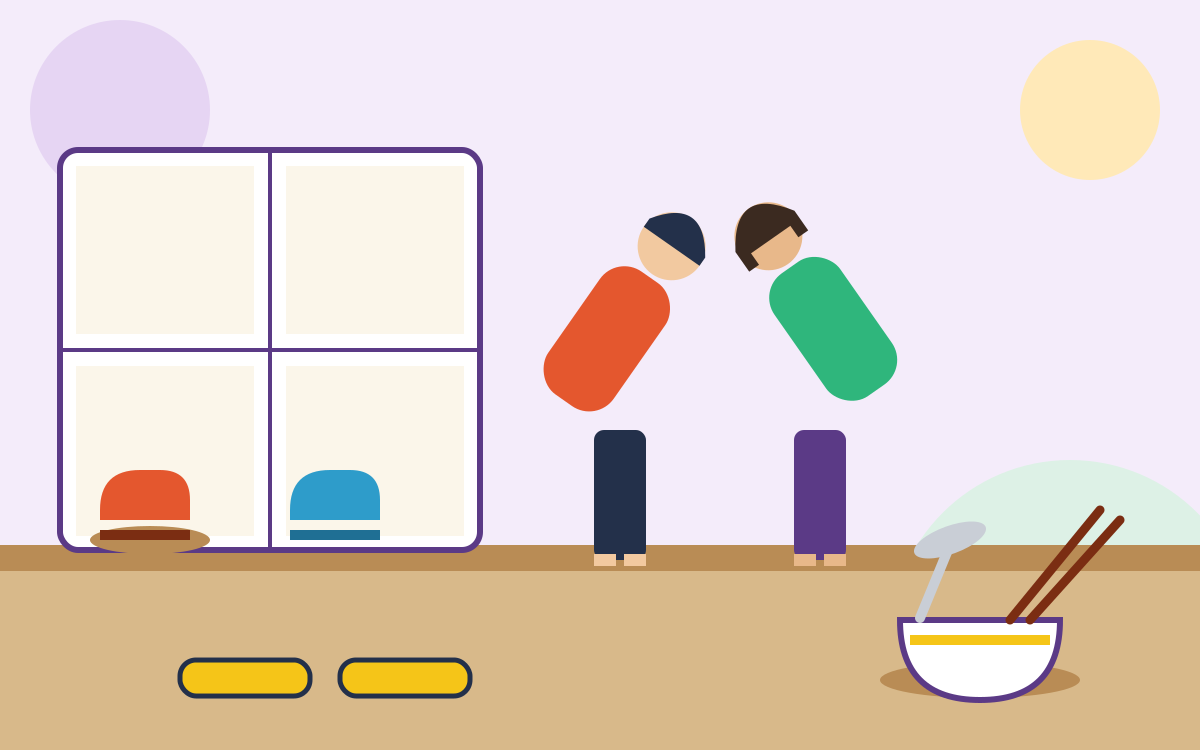
Fifteen habits cover most situations in Korea: greet with a short bow or nod, give and receive with two hands, remove shoes at homes and temples, wait for the eldest to start eating, and keep your voice low on transit. Tipping is not customary. Honest mistakes are forgiven; politeness matters more than perfection.
- Greeting
- Short bow or nod; two hands for objects
- Shoes
- Off at homes, temples, guesthouses
- Tipping
- Not customary
- Official site
- Visit Seoul: Etiquette
What should I know before I arrive?
Guidance checked October 5, 2026
Korean etiquette is built on respect for age and seniority, and most rules are easy to follow once you know the few that matter. Official guidance from Visit Seoul stresses a short bow, using both hands and removing shoes indoors; nobody expects visitors to get everything right.
- Worth knowing: Age and status shape how people greet, pour drinks and start meals, so watch what the oldest person at the table does.
- A common mistake: Leaving chopsticks or a spoon sticking up from a rice bowl. Rest them on the table instead.
- Local tip: If you are unsure, copy what the people around you do. A small bow and a smile work almost everywhere.
What are the basic Korean manners for everyday life?
Greet with a short bow, use both hands, take your shoes off indoors and keep your voice down. These six habits cover greetings and daily encounters, based on Visit Seoul's etiquette basics and its Korean etiquette guide.
- Do greet with a short bow or nod. Visit Seoul calls the bow the typical greeting, with the depth depending on age and status. A handshake may follow, sometimes with the left hand supporting the right forearm or hand.
- Do give and receive with two hands. This applies to business cards, payment, gifts and glasses. It signals respect, especially towards someone older.
- Do take your shoes off at the door. Visit Seoul advises removing shoes when entering any residence, temple or guesthouse; some restaurants with floor seating follow the same rule. Slippers are often provided.
- Do keep your voice low. Moderate your volume, especially in your own language, and keep phone and music volume down in shared spaces.
- Don't point at people. Visit Seoul advises refraining from pointing. Gesture with an open hand instead.
- Don't use a first name unless invited. Family names come first in Korean, and given names are avoided with seniors. Use a title or surname with Mr or Ms until told otherwise.
Practical example: when you check in at a hanok guesthouse, remove your shoes at the entrance, hand over your passport with both hands and give a small nod.
How should I behave at a Korean meal or drinking table?
Let the eldest person start, never stand chopsticks in rice, and pour and receive drinks with two hands. Table manners follow seniority, as described by Visit Seoul and its etiquette guide.
- Do wait for the eldest to begin eating. Start once the oldest person at the table has picked up their utensils.
- Don't stand chopsticks or a spoon in the rice. Use the spoon for rice, and at the end of the meal return chopsticks and spoon to their original position.
- Don't touch food with your fingers. The exception noted by Visit Seoul is wrapping food in lettuce or cabbage. Also avoid picking through shared dishes; take what is in front of you.
- Do pour for others with two hands. The guide advises letting someone else pour your drink and holding the bottle or glass with both hands when pouring or receiving.
- Do turn slightly away when drinking near a senior. Visit Seoul says juniors should turn their head to the side, away from the senior, as they drink.
Practical example: at a group dinner, wait for the oldest guest to lift their spoon, then fill your neighbour's glass with both hands before your own is poured.
What are the rules on transit, at temples and for tipping?
Leave priority seats free, keep bags out of the way, dress modestly at temples and do not expect to tip. The last four rules cover shared spaces.
- Do leave priority seats for those who need them. Visit Seoul says about 30% of Korean subway seats are priority seats for older passengers, people with disabilities, those with infants and patients, and pink seats are for pregnant women. See our Seoul subway guide for how to ride.
- Do wear backpacks in front and let people off first. The same guide advises carrying backpacks in front or setting them down, waiting for passengers to exit before boarding, and avoiding strong-smelling food. Take-out coffee has been banned on Seoul buses since January 2018, according to that guide.
- Do dress modestly and stay quiet at temples. Templestay's etiquette page asks for clean, conservative clothing (no sleeveless tops, mini skirts or short shorts), no bare feet, quiet voices and permission before taking photos inside Buddha halls. The centre door is reserved for monks, so use a side entrance.
- Don't worry about tipping. Visit Seoul notes that tipping is not customary and some people may refuse it. Pay the listed price. Our cash or card guide covers paying.
Which rules matter most?
Shoes, two hands, seniority at the table and quiet public behaviour matter most; the rest is courtesy. Use the table as a quick reference.
| Situation | Do | Don't |
|---|---|---|
| Meeting someone | Short bow or nod; two hands for objects | Point; use first names with seniors |
| Entering a home or guesthouse | Remove shoes at the door | Walk in with outdoor shoes |
| Eating | Wait for the eldest; use the spoon for rice | Stand chopsticks in rice; use fingers |
| Drinking | Pour and receive with two hands | Pour your own glass first |
| Subway and bus | Let people off first; keep priority seats free | Wear a big backpack in a crowd |
| Temples | Conservative clothing; ask before photos inside | Use the centre door; shout or run |
| Paying | Pay the listed price | Expect to leave a tip |
For eating out, see our Korean dishes to try on your first trip.
FAQ
Do I have to bow to Koreans as a visitor?
No. Visit Seoul describes a short bow, essentially a nod, as the usual greeting, and a nod with a smile is enough for visitors. A light bow is simply a polite way to say hello or thank you.
Do I need to tip in Korea?
No. Visit Seoul notes that tipping is not customary in Korea, and some people may refuse it. Prices on menus and taxi meters are what you pay.
Should I take my shoes off in Korea?
Yes, at homes, guesthouses, temples and some restaurants. Look for a raised floor, a shoe rack or slippers at the entrance, and follow what other guests do.
What is the biggest chopstick mistake in Korea?
Leaving chopsticks or a spoon standing upright in a bowl of rice. Rest them on the table or beside the bowl, and use the spoon for rice.
Official sources and useful links
Links open in a new tab. Customs and rules vary by place and person; verify on these pages.
- Visit Seoul: The Basics of Korean Etiquette shoes, greetings, two hands, dining and tipping
- Visit Seoul: Korean Etiquette bowing, names, public behaviour and drinking manners
- Visit Seoul: Public Transportation Etiquette in Korea priority seats, backpacks and bus rules
- Templestay: Temple etiquette dress code, conduct and photography at temples
- VisitKorea (Korea Tourism Organization) official tourism information in English
Disclosure: This site shows ads served by Google AdSense, and some links may be affiliate links that earn a small commission at no extra cost to you. This never affects our recommendations. Prices and rules change, so please confirm details with the official sources before you travel.